Future Trends in Emerging Real Estate Markets
MH
Introduction to Emerging Real Estate Markets
The real estate landscape is continually evolving, and emerging markets are at the forefront of this transformation. With globalization, technological advancements, and changing demographics, new opportunities are arising in markets that were once overlooked. Understanding these future trends is crucial for investors, developers, and stakeholders looking to capitalize on new growth areas.

Technological Integration in Real Estate
Technology is reshaping the real estate industry, particularly in emerging markets. From smart buildings to blockchain-based transactions, the integration of technology is enhancing efficiency, transparency, and sustainability. These advancements are not only improving the buying and selling process but also the way properties are managed and maintained.
Smart home technology is becoming more prevalent, offering features such as automated climate control, security systems, and energy-efficient solutions. These innovations are appealing to tech-savvy buyers and are increasingly seen as essential rather than luxury additions.
Urbanization and Infrastructural Development
Urbanization is a significant driver of growth in emerging real estate markets. As more people move to cities in search of opportunities, the demand for housing, commercial spaces, and infrastructure increases. This trend is particularly noticeable in regions like Southeast Asia and Africa, where urban populations are expected to surge in the coming decades.
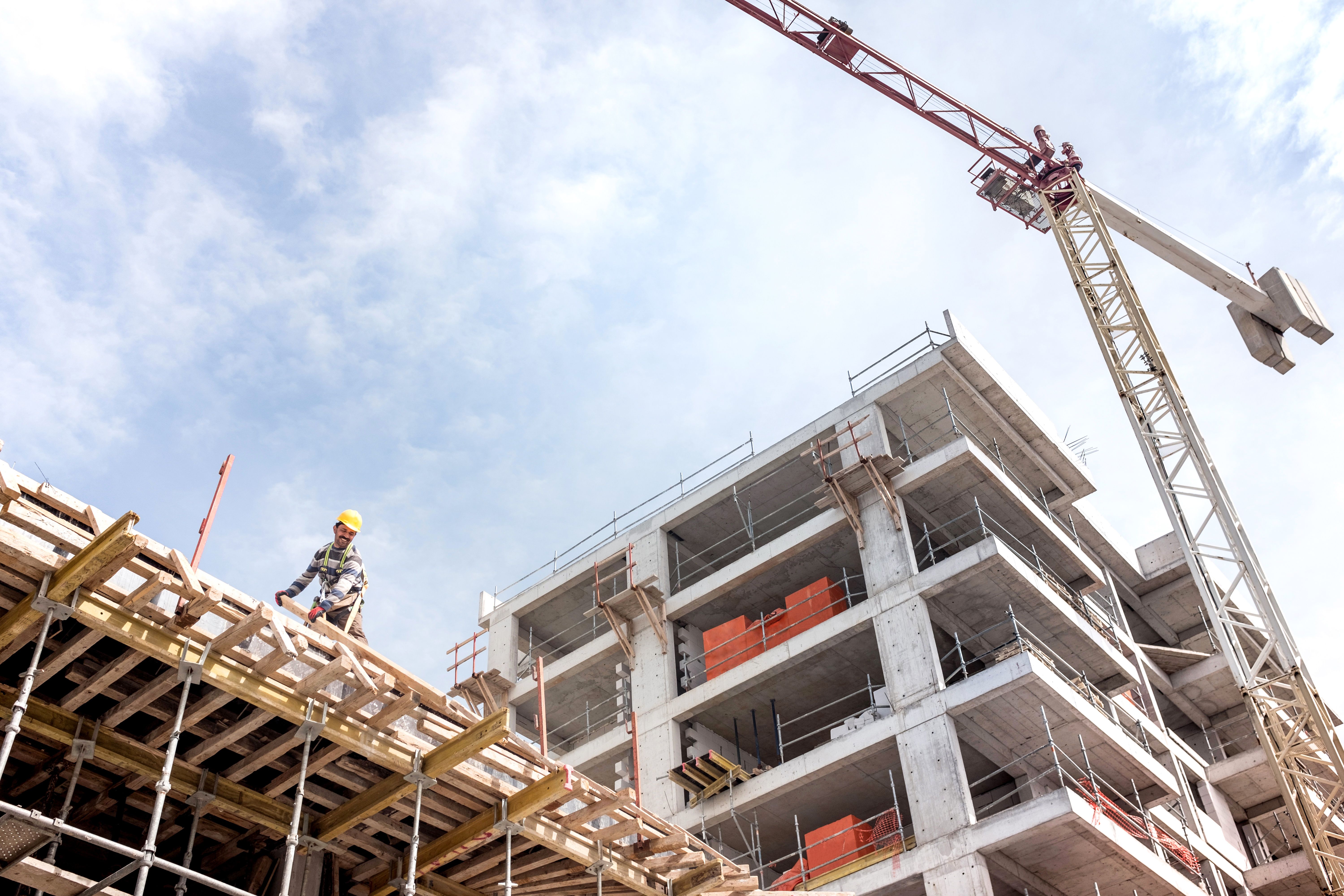
Investments in infrastructure, including transportation, utilities, and public services, are crucial to supporting this growth. Governments and private investors are collaborating to build smart cities that cater to the needs of modern urban dwellers, focusing on sustainability and livability.
Sustainable and Eco-Friendly Developments
The push towards sustainability is influencing real estate development worldwide. In emerging markets, there's a growing emphasis on eco-friendly buildings and communities. Green certifications and sustainable design are becoming standard practices, driven by consumer demand and regulatory requirements.
- Use of renewable energy sources
- Implementation of green building materials
- Focus on reducing carbon footprints

These sustainable initiatives not only contribute to environmental conservation but also offer economic benefits by reducing operational costs and enhancing property values.
Changing Demographics and Their Impact
Demographic shifts are influencing real estate trends in emerging markets. The growing middle class, increased mobility, and aging populations are creating diverse demands. Younger generations are prioritizing flexibility and connectivity, leading to a rise in co-living and co-working spaces.
Meanwhile, the aging population is driving demand for senior-friendly housing and healthcare facilities. Developers are responding by creating inclusive communities that cater to a wide range of needs.
Conclusion
The future of emerging real estate markets is dynamic and full of potential. By staying informed about these trends, stakeholders can make strategic decisions that align with evolving demands and opportunities. As technology, urbanization, sustainability, and demographics continue to shape the industry, those who adapt will thrive in this ever-changing environment.