How to Save Your Credit During a Foreclosure: Expert Tips and Strategies
MH
Understanding the Impact of Foreclosure on Your Credit
Facing foreclosure can be a daunting experience, and one of the significant concerns is how it will affect your credit score. A foreclosure can stay on your credit report for up to seven years, potentially lowering your score by 100 to 160 points. Understanding this impact is crucial as you navigate through the process.
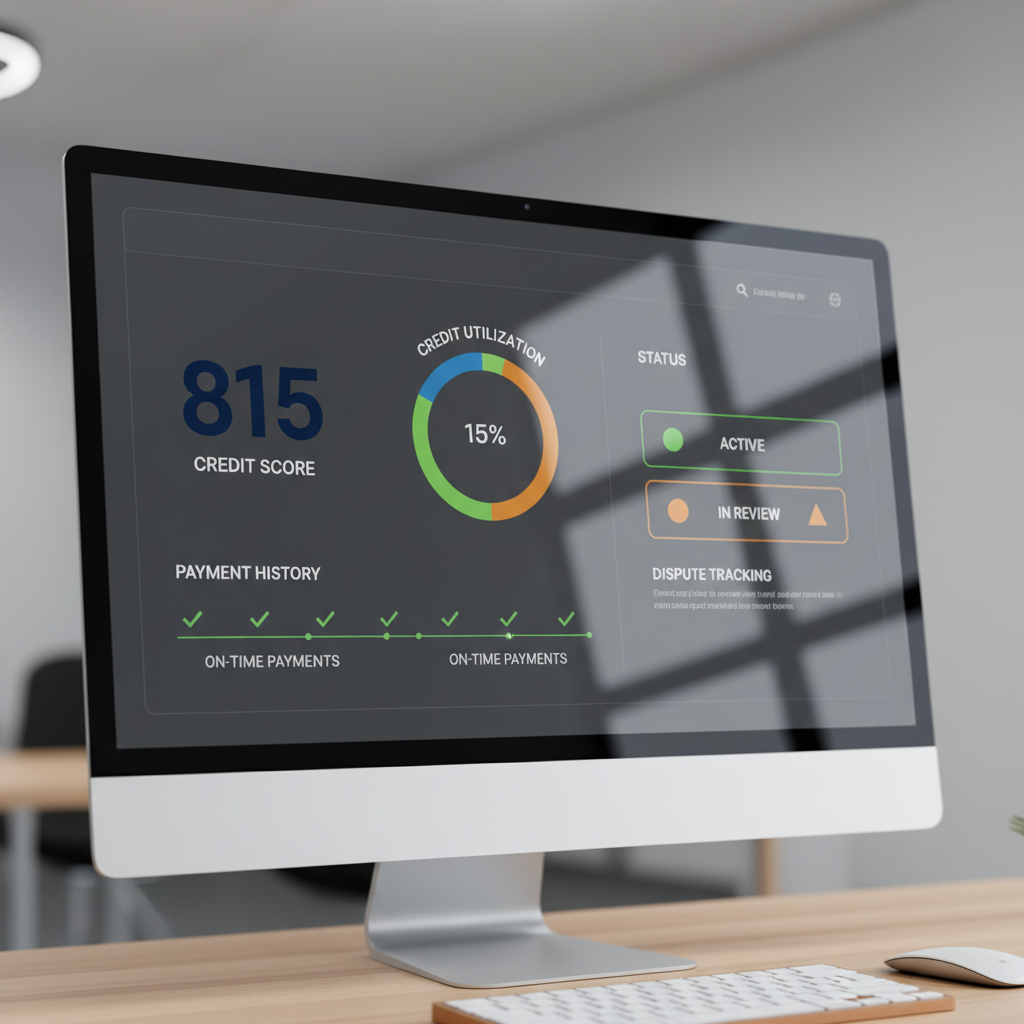
While this may sound overwhelming, remember that it's not the end of your financial journey. By taking proactive steps, you can mitigate the damage and work towards rebuilding your credit over time. Let's explore some expert tips and strategies to help you maintain and restore your credit during and after foreclosure.
Communicate with Your Lender
The first step in protecting your credit is to communicate openly with your lender. Many lenders are willing to work with homeowners to find alternatives to foreclosure, such as loan modifications or repayment plans. By discussing your situation and exploring these options, you may be able to avoid foreclosure altogether.
Document all communication with your lender, including emails and phone calls. This documentation can be valuable if there are discrepancies or misunderstandings about your agreement.
Consider a Short Sale
If foreclosure seems inevitable, a short sale might be a viable alternative. In a short sale, the lender agrees to let you sell your home for less than what you owe on the mortgage. Although it will still affect your credit, the impact is generally less severe than a foreclosure.

A short sale shows potential future lenders that you took responsibility and tried to resolve the debt, which can be beneficial when you’re ready to purchase a new home.
Manage Other Debts Responsibly
While dealing with foreclosure, it's essential to manage your other debts responsibly. Continue to pay your other bills on time, including credit cards and installment loans. Maintaining a good payment history on these accounts can help offset the negative impact of foreclosure on your credit score.
- Set up automatic payments to avoid missing due dates.
- Keep credit card balances low relative to your credit limit.
- Avoid taking on new debt during this period.

Monitor Your Credit Report
Regularly monitoring your credit report is vital during and after foreclosure. Check for inaccuracies or errors that could further harm your credit score. If you find mistakes, dispute them with the credit bureaus promptly.
Take advantage of free annual credit reports from each of the three major credit bureaus to stay informed about your credit status.
Rebuild Your Credit After Foreclosure
Once the foreclosure process is complete, focus on rebuilding your credit. Start by creating a realistic budget that allows you to manage your expenses effectively. Consider securing a secured credit card or a credit-builder loan to help re-establish a positive credit history.
Over time, demonstrating responsible financial behavior will gradually improve your credit score, opening the door to more favorable lending terms and financial opportunities.
Facing foreclosure is undoubtedly challenging, but with the right strategies and a proactive approach, you can protect and rebuild your credit. Stay informed, communicate with your lender, and manage your financial obligations responsibly to navigate this difficult time successfully.