The Ultimate Guide to Protecting Your Credit During Foreclosure
MH
Understanding Foreclosure and Its Impact on Credit
Foreclosure is a daunting process that can significantly impact your financial stability. It occurs when a homeowner fails to make mortgage payments, leading the lender to seize the property. This situation not only affects your living arrangements but also has a severe impact on your credit score. Understanding the foreclosure process is crucial to mitigating its effects on your credit.
The drop in your credit score can be substantial, often ranging from 85 to 160 points. This decrease can affect your ability to secure loans, mortgages, and even rental applications in the future. Therefore, taking proactive steps to protect your credit during foreclosure is essential.

Communicate with Your Lender
One of the first steps to take is to maintain open communication with your lender. Ignoring the problem will not make it go away. Reach out to your lender as soon as you realize you might miss a payment. Many lenders are willing to work with you to find a solution, such as refinancing or modifying the loan terms.
Discuss potential options like forbearance or repayment plans. These alternatives can help you avoid foreclosure altogether or at least delay the process, giving you more time to arrange your finances.
Explore Government Programs
Several government programs are designed to assist homeowners facing foreclosure. Programs like the Home Affordable Modification Program (HAMP) or the Home Affordable Refinance Program (HARP) have helped many individuals manage their mortgage payments.
Research these programs to see if you qualify. They can provide significant relief and help you maintain your credit score by keeping your mortgage in good standing.

Budget and Financial Planning
Creating a detailed budget is crucial during this challenging time. List all your income sources and expenses to identify areas where you can cut costs. Redirect these savings towards your mortgage payments.
Consider seeking guidance from a financial advisor. Professional advice can help you develop a strategy to manage your finances effectively, ensuring you prioritize your mortgage and protect your credit.
Credit Monitoring and Repair
Regularly monitor your credit report to track any changes. This practice allows you to understand the impact of foreclosure on your credit and address any inaccuracies promptly. You are entitled to one free credit report per year from each of the three major credit bureaus.
If your credit score has been affected, consider working with a credit repair agency. These agencies can help dispute inaccuracies and improve your credit score over time.
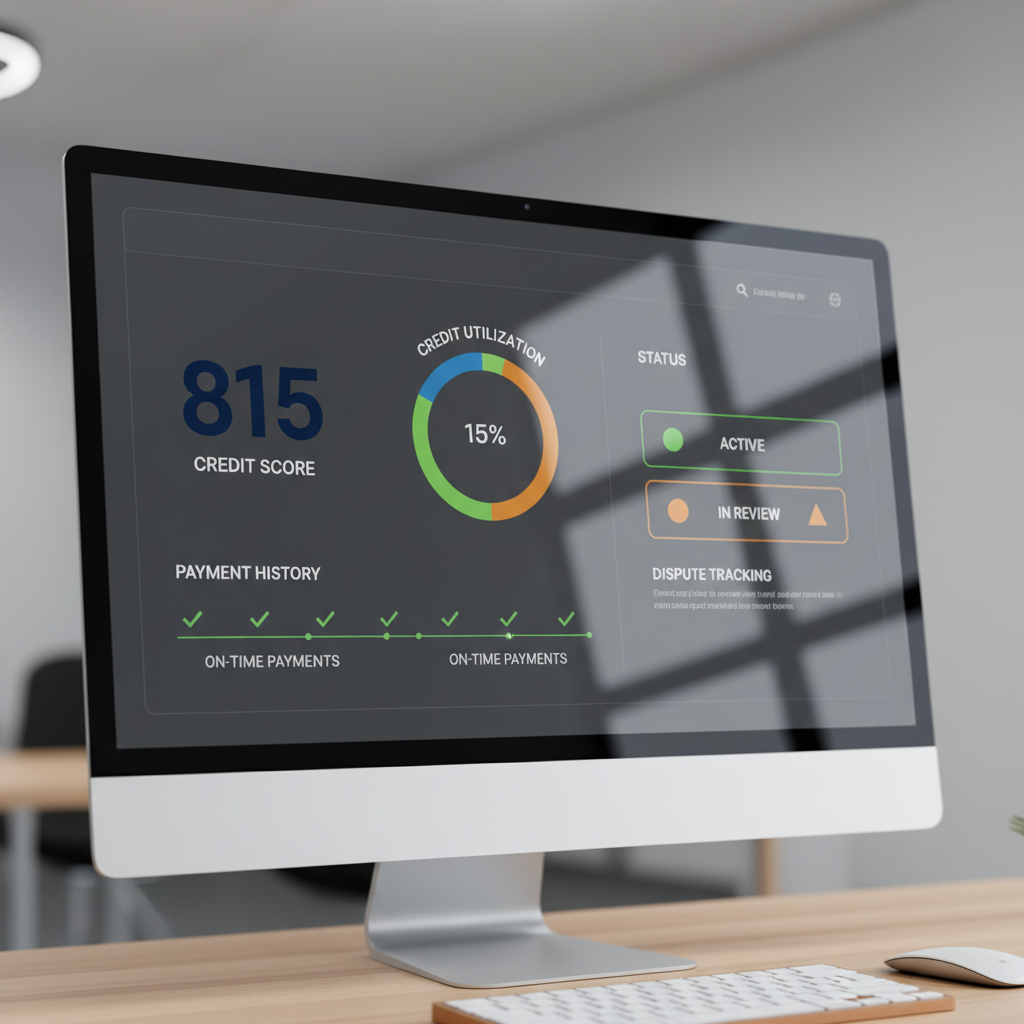
Rebuilding Your Credit Post-Foreclosure
Once the foreclosure process is behind you, it's essential to focus on rebuilding your credit. Start by paying all your bills on time and reducing existing debts. Consider obtaining a secured credit card to help rebuild your credit history.
Responsible credit use and timely payments will gradually improve your credit score, enabling you to regain financial stability and access to better borrowing options in the future.
Conclusion
Foreclosure can be a challenging and stressful experience, but it doesn't have to ruin your financial future. By taking proactive steps, exploring available resources, and focusing on rebuilding your credit, you can recover from foreclosure and protect your financial well-being. Remember, the key is to remain informed and take action as soon as possible.